

Make It Yours: How to Add Personality and Character to a Sustainable Home
Your home should feel like you. Not a showroom, not a Pinterest board someone else pinned, but a real reflection of who you are, what you value, and how you actually live. That's not a small thing. That's the whole point.
I've been helping homeowners create meaningful spaces for over 20 years, and the question I hear more than any other is some version of: “How do I make it feel personal without making it feel like a mess?” It's a fair question. Personalization and intentional design can absolutely coexist, and so can personality and sustainability.
Here's how to do both.
1. Start with a Mood Board Before You Touch Anything
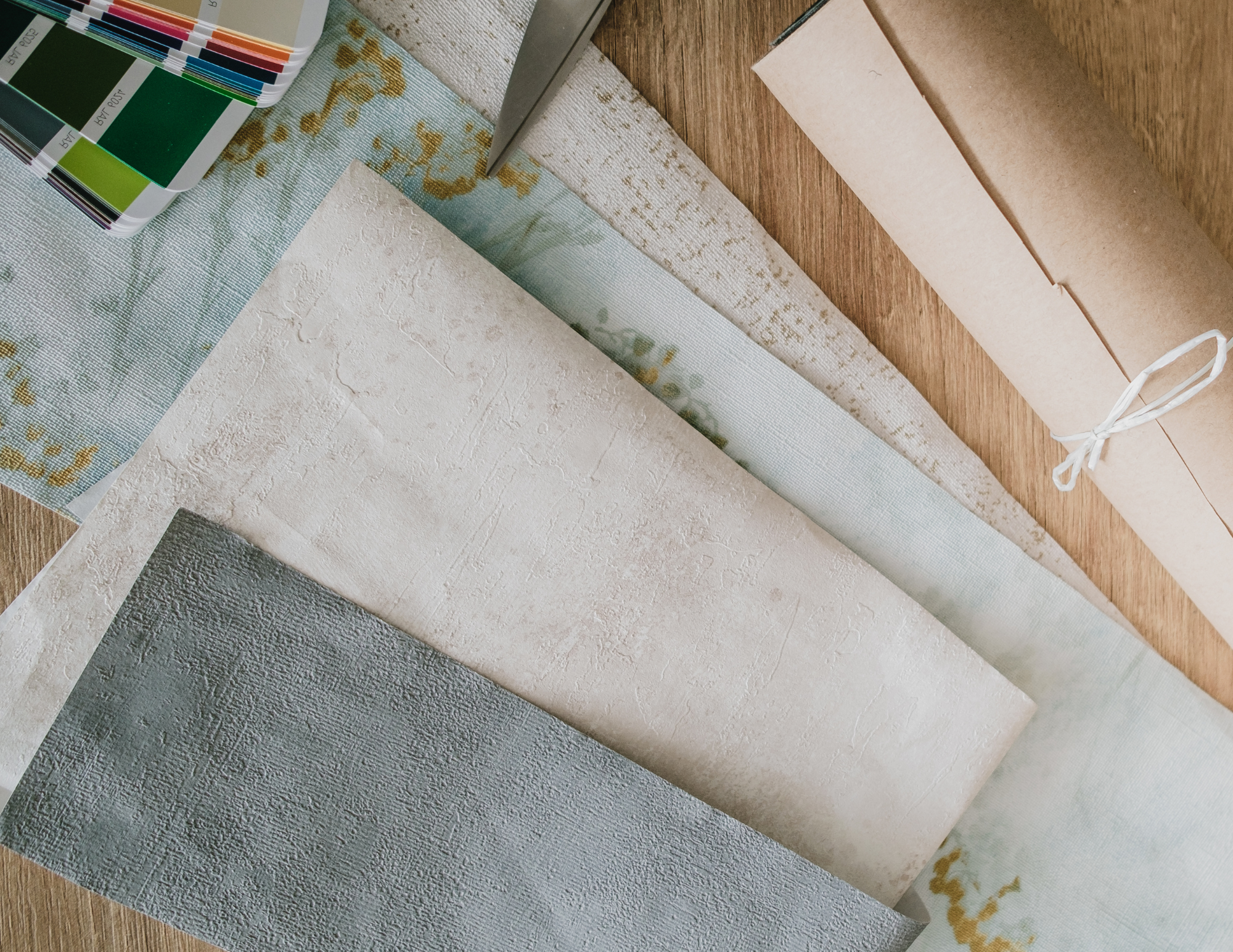
Skip the impulse buys. Before you move a single piece of furniture or paint a single wall, spend time figuring out what you're actually drawn to. Gather colors, textures, and images that feel like home. Pinterest works. So does a simple folder of photos on your phone. A physical board with fabric swatches and magazine clippings works even better if you're a hands-on person.
The goal isn't to copy a look. It's to find the thread that connects what you love, so your choices feel cohesive instead of random.
When you're building that vision, keep your material choices in mind from the start. Sustainably sourced textiles, recycled finishes, and artisanal pieces aren't afterthoughts; they're part of the story you're telling.
2. Style with Things That Actually Mean Something to You
Shelves, mantels, and coffee tables are your most personal real estate. Use them that way.
Travel pieces you actually brought back yourself. A handmade bowl from a local ceramicist. A photo your kid took that surprised you. These things carry weight that store-bought decor never will. And layering in a few living plants, something like a snake plant, pothos, or peace lily, brings in a natural texture while quietly improving your indoor air quality at the same time.
The interiors that resonate most are the ones that feel collected over time, not assembled overnight. That's a shift worth leaning into.
3. Use Color on Purpose
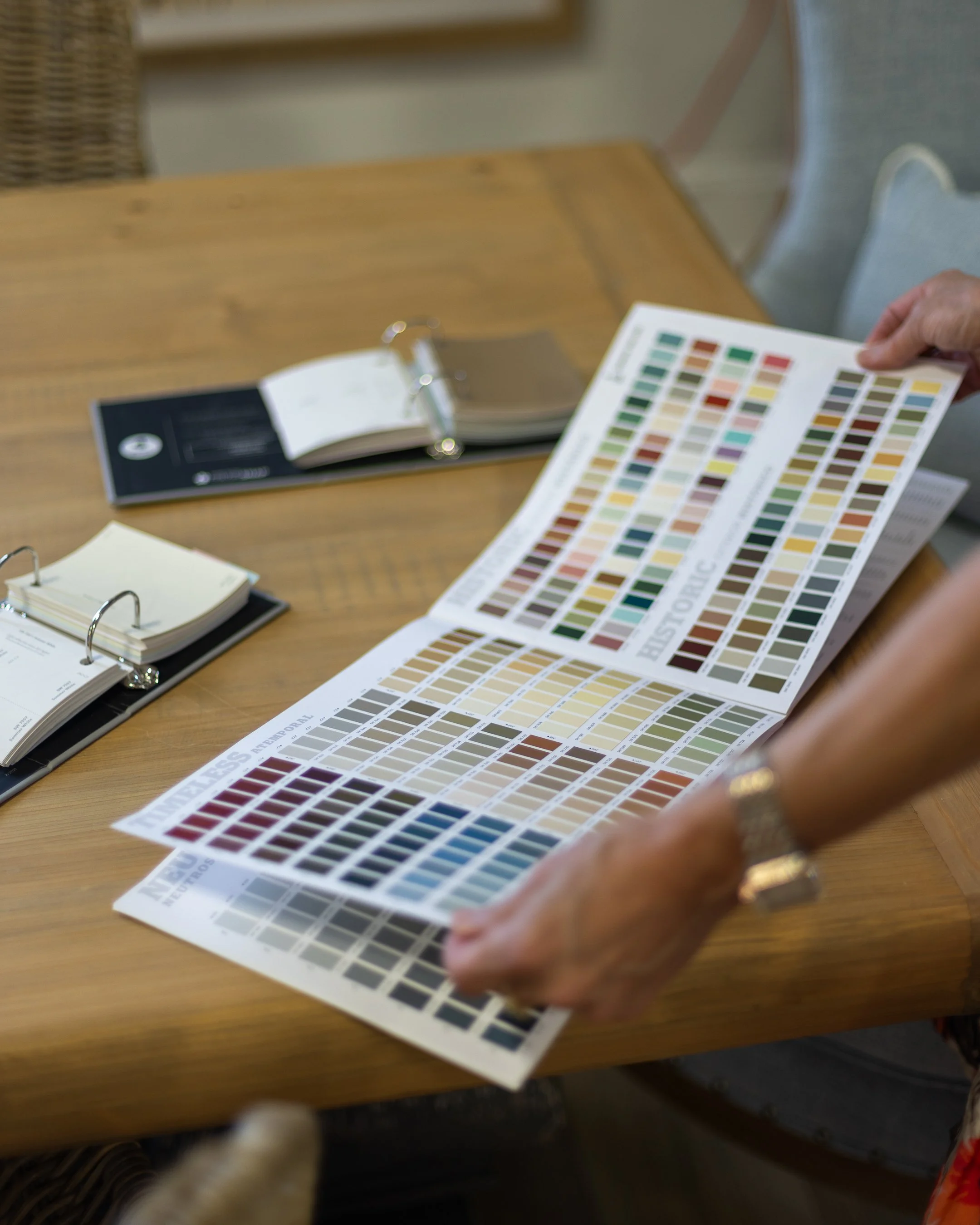
Color is one of the most accessible ways to shift how a room feels, and you don't have to go big to make it count. An accent wall in a shade that grounds you. A rug that pulls warm tones into a neutral space. A few throw pillows that bring in something unexpected. Any of these can change the energy of a room without a full renovation.
If you're painting, please use low-VOC or mineral-based paint. Conventional paint off-gasses volatile organic compounds into your home's air for weeks after application, and that matters especially in spaces where you sleep or spend significant time. The EPA's Safer Choice program is a good starting point if you're not sure where to look.
4. Upcycle and DIY: The Most Sustainable Form of Personalization
Nothing in your home will feel more uniquely yours than something you made or reimagined yourself. An old wooden ladder becomes a blanket rack. A set of mason jars becomes pendant lighting. A worn dresser gets new hardware and a coat of non-toxic paint and suddenly it's the piece everyone asks about.
Upcycling is also the most straightforward form of sustainable design. You're keeping things out of landfills, reducing demand for new production, and creating something one-of-a-kind at the same time.
Thrift stores, salvage yards, and local estate sales are genuinely underrated sources for quality pieces that have already proven they can last.
5. Layer Textures to Make a Space Feel Alive
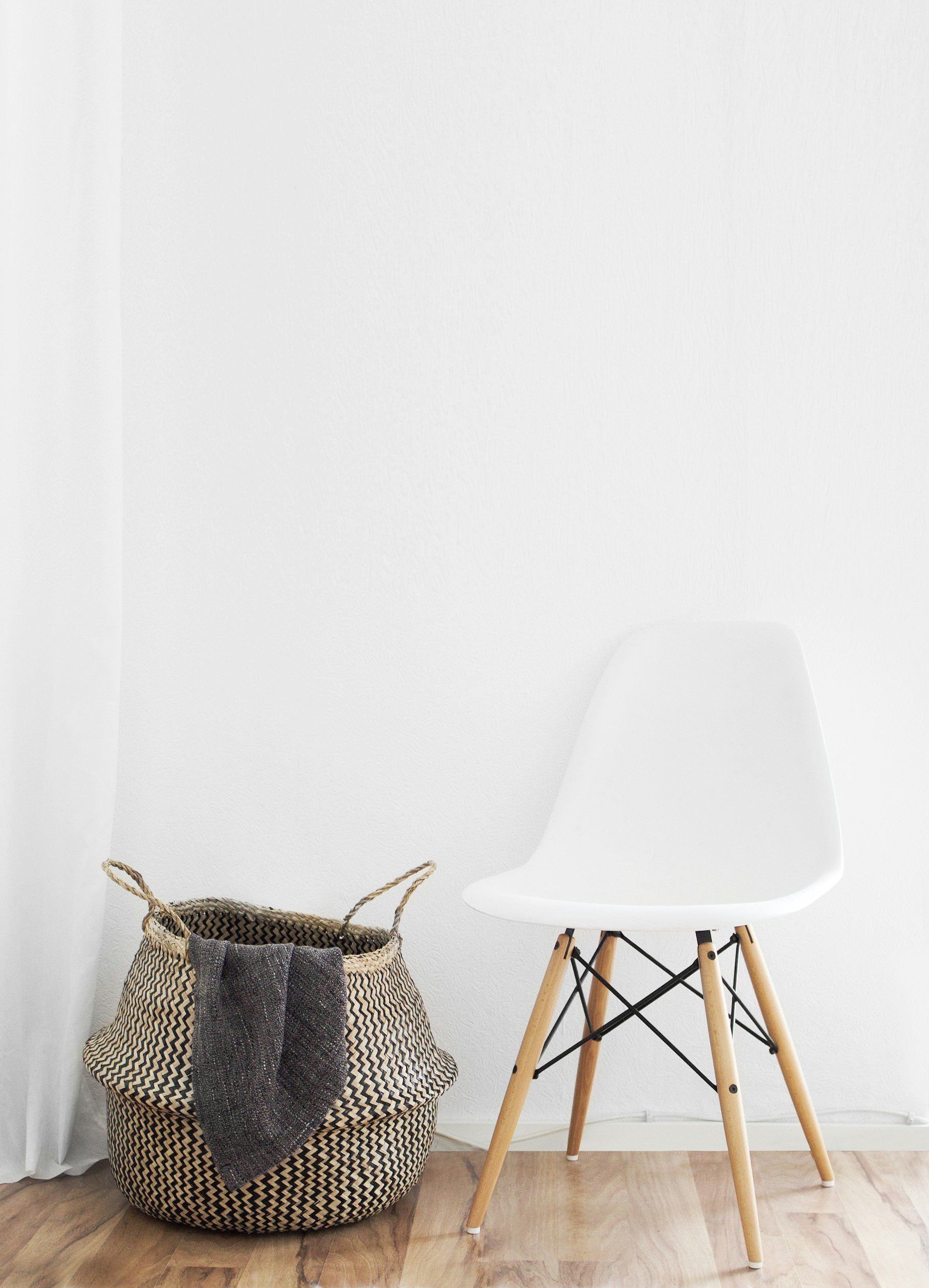
A room that only has one kind of surface feels flat, no matter how beautiful each individual piece is. Mixing textures, woven baskets, a wool throw, reclaimed wood shelving, a natural fiber rug, is what makes a space feel layered and warm and like someone actually lives there.
This is one of those techniques that sounds simple but makes an enormous difference. And when you're choosing textiles, organic or recycled options are widely available now and genuinely on par with conventional materials in terms of quality and feel.
6. Build a Gallery Wall That Reflects Your Life
A gallery wall done thoughtfully is one of the most personal things you can do to a room. Artwork you love, travel photography, your child's drawings, a print from a local artist. Mix frame sizes and styles, but pull them together with a consistent color palette or mat.
For frames, reclaimed wood and bamboo options are easy to find and add a warmth that standard black or white frames don't always have.
7. Rethink Your Lighting
Lighting shapes how a space feels more than most people realize. The right fixture can make a room feel layered and inviting. The wrong one can flatten everything.
You don't have to spend a lot. Swapping out a dated overhead fixture for a pendant light or a vintage-inspired sconce can completely change the atmosphere of a room. Pair that with LED bulbs and a dimmer switch, and you've created something that's both more beautiful and more energy-efficient than what you started with.
Why This All Matters
A home that reflects who you are isn't just more comfortable. It genuinely supports your well-being. There's research behind this: spaces that feel personal and intentional reduce stress, promote a sense of belonging, and make everyday life feel better. That's not a design trend. That's a good reason to invest in where you live.
And when those choices are also sustainable, when the materials are non-toxic, the pieces are built to last, and the aesthetic is rooted in what you actually love rather than what's momentarily popular, you end up with something that ages beautifully instead of dating quickly.
Ready to Make Your Home Feel Like Yours?
If you're not sure where to start, or you've started and it's not coming together the way you envisioned, that's what I'm here for. I work with homeowners across the country through Virtual Design Services, so wherever you are, we can build something that feels genuinely like home.
